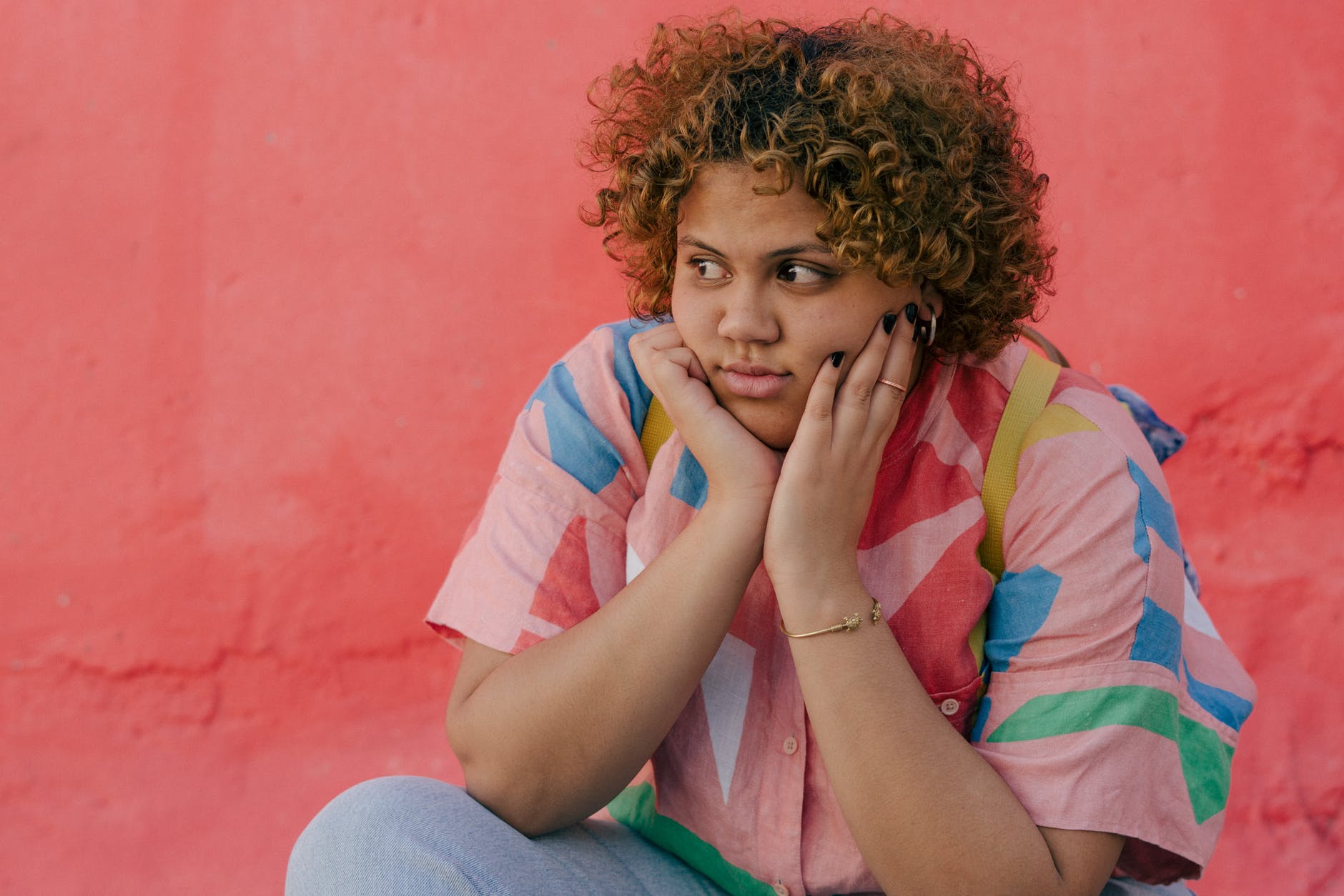
Body image is defined as how and what you think and feel about your body. It includes the picture of your body that you have in your mind, which might or might not match your body’s actual shape and size.
“A person has a positive or healthy body image if they feel happy and satisfied with their body, and are comfortable with and accepting of the way they look,” says Danah Gutierrez, a body positivity advocate and host of the podcast “Raw and Real.mp3” together with her twin sister Stacy. “They accept that everyone is diverse, and that the body is not an ornament to be looked at.”
On the other hand, a person with a negative unhealthy body image feels unhappy with the way they look. “People who feel like this often want to change their body size or shape,” Danah adds.
A person’s body image is influenced by many factors. These include family environment, the attitudes of peers, social media, cultural background, and more.
Puberty is also a big influence. This is a time when a child’s body goes through lots of changes; at the same time, teens encounter the pressures of fitting in and finding a sense of belonging. “In my high school, conversations about who are the best-looking in our batch were common; students would be ranked based on who was the prettiest, and I was told many times that if I lost weight, my rank would go higher,” Danah relates.
This is why if you are a parent to teens or work with teens, it is important to know that you have an influence on your child’s body image. “There’s nothing wrong with wanting your child to be well-groomed or present themselves well; these are good values,” Danah points out. “But how much do you value appearances, and is it perceived in a healthy way? Because there can be situations when teens will not process it the right way.”
An unhealthy teenage body image is directly related to low self-esteem, which are risk factors for the development of risky weight loss strategies, eating disorders, and mental health disorders like depression. “It might also lead teens to look for detrimental ways to feel desired, to feel a sense of belongingness, or to be valued, such as turning to peers or the media,” cautions Danah.
On the other hand, teens who feel good about their body grow up more likely to have good self-esteem and mental health as well as a balanced attitude to eating and physical activity.
“When teens feel good about themselves and who they are, when they carry themselves with a sense of confidence, self-acceptance, and openness — that makes them beautiful!”
Danah Gutierrez, body positivity advocate
Here are the things you can do to help your teen develop a positive body image:
- Explain that weight gain is normal during puberty. During this time, children feel “out of control” with the changes they are experiencing in their body. It can help tremendously to know about and understand these changes before they occur. Girls who are experiencing their first menstrual cycle, especially, should realize that growth and weight spurts are necessary and normal for their development.
- ‘Instagram vs. reality.’ Tell your teen to be more discerning of what they see on social media or tv. Help assuage their insecurities by explaining how the images are often digitally manipulated so that people look more ‘beautiful’ than they really are.
- Focus on inner beauty. “Beauty is a state of mind, not a state of body,” says Danah. “When teens feel good about themselves and who they are, when they carry themselves with a sense of confidence, self-acceptance, and openness — that makes them beautiful.”
- Discuss self-image. “Have an honest and vulnerable discussion with your teen about weaknesses and flaws (theirs and yours), share your own struggles and what healthy ways you took to be better,” Danah explains.
- Help establish healthy eating and exercise habits. If your child wants to eat differently or do more exercise, that’s OK – but make sure it’s for healthy reasons, and the dieting and exercise don’t become extreme. “Let your child know that healthy eating and physical activity aren’t just for weight loss – they’re vital for physical health, now and in the future,” points out Danah.
- Praise achievements. “Don’t have to limit compliments to appearance, i.e. you’re so fair-skinned, you’re so skinny,” says Danah. “Tell your child that you’re proud of them for things that aren’t related to appearance, such as ‘I love how you’re so eager to learn about life’ or ‘You’re so mature for your age’ or ‘I really enjoy your company.’”
Also focus on what their body can do, rather than how their body looks. For example, you can say, ‘Wow, you hit that ball a long way’, rather than ‘Gosh, you’ve got big arm muscles’.
- Set a good example. If you show that you feel positive about your own body, it’ll be easier for your child to be positive about their body. Talk about eating healthy, not dieting; talk about exercising to be stronger, not to lose weight; and do let your child see you eating a variety of food, vegetables, and lean meats, not only diet foods or fat-free foods.
- Discourage family and friends from using hurtful nicknames and joking about people who are overweight. Teasing can have a negative influence on body image and can also lead to bullying. It’s important to let everyone in your family know that teasing about weight or appearance is not okay. “I would call out the commenter by saying right away ‘What did you say? I don’t think that’s funny,’” Danah says. “Then I would have a private conversation with that person and tell them I would appreciate it if they did do that in front of my kid, that’s not going to help my child in any way, and I think my child is beautiful just the way they are.”
- Connect them with body positive role models. There are things teens cannot share with their parents, and that is normal. “So make sure there are other older people in your circle who are trustworthy, have good character, are grounded, and who carry themselves with confidence,” says Danah. “This way when your child needs to seek advice, they don’t just rely on their peers who are just as confused and clueless as they are.”
- Actively listen and communicate with your child. Respect that they have insecurities. “Don’t just tell them ‘What you are feeling is wrong,’ take the time to listen and figure them out,” suggests Danah. “Assure them that their looks are not the only thing about them, that they have so much more to offer. Make them understand that their body is an instrument, not just an ornament; it’s an instrument to experience good things and bad things, to enjoy life. And tell them that they can be beautiful in so many other ways than just through their appearances.”
As a parent, teacher, or close adult relative, you are the most influential role model in your children’s life. If your teen seems to have anxiety or stress about how he or she looks, start by talking with them about your concerns. And if things don’t change and you’re still worried, consider reaching out to a health professional. MindNation’s psychologists are available 24/7 for online consultations with you or your child. Book a session now through bit.ly/mn-chat or email [email protected] . Rest assured that all conversations will be kept secure and confidential.