Categories
Self Help

Intention Setting For Beginners

Setting intentions used to be something people only did at the start of a yoga or meditation practice. It is defined as the act of stating what you intend to accomplish through your actions. Examples would be “Inner peace,” “Gratitude,” or “Happiness.” 

When differentiating between goals and intentions, one thing to remember is that “goals” are what you want to do, while “intentions” are what you want to achieve and revolve around self-care and personal development. 

“An intention is the ‘why’ or the desire behind the goal”

Kimi Lu, http://www.kimilulifecoach.com

“An intention is the ‘why’ or the desire behind the goal,” says life and corporate coach Kimi Lu (@kimilulifecoach). “We all have deeper reasons why we want to achieve certain goals – and bigger or more ambitious goals usually involve achieving something that is bigger than ourselves.” This is where intentions can help. 

Intention setting can help you be more present and mindful in your day-to-day life. It serves as a compass to guide you in your day, month, or even year. “Anytime you feel like there are too many things running through your mind, go back to your intention to regain clarity,” advises Kimi. 

If you are new to intention-setting, keep them small and achievable first. This way, when you become successful, you gain the confidence to make and achieve bigger intentions. Kimi recommends some easy ones below that you can start with: 

  1. “Breathe”
    Make this your mantra during stressful times, so you can stay calm.
  2. “Listen actively.”
    When you are about to join a meeting, this intention can help you learn more from others.
  3. “Heal.”
    Set this if you have been through heartache, so you can let go of past hurts and welcome the next phase of your life with a heart filled with self-love and gratitude. 

As you progress, you can set advanced intentions such as “Love unconditionally,” “Be kind even when under pressure,” or “Lead by example.”

It helps to write down your intentions as soon as you make them so that you have a visual reminder of the commitment you are making to yourself. Then make it a habit to refer back to them at the end of the day, week, or month for reflection. By checking in with yourself and your actions, you create a space for self-awareness and self-development. 

Finally, feel free to share your intentions with others so that you have a support network to keep you accountable, motivate you, or even cheer you on on your journey to success. 

MindNation WellBeing Coaches are available 24/7 if you need help crafting an intention or sticking to one. Book a session now bit.ly/mn-chat.

Categories
Featured Get Inspired Men's Mental Health Mental Health 101 Self Help

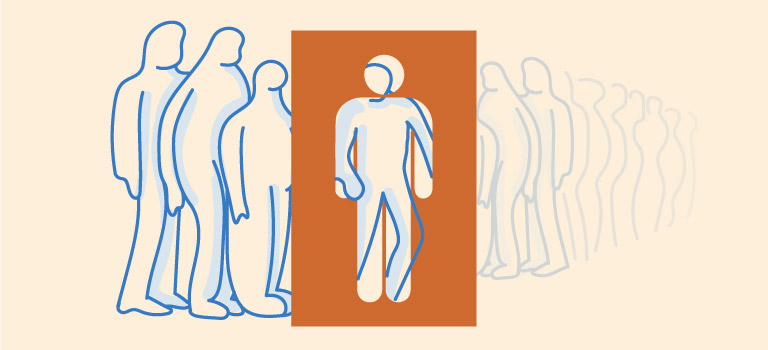
6 Ways to Support A Man’s Mental Health

Expert-recommended strategies to get men to open up about their feelings or seek help

A 2020 survey by the non-profit American academic medical center Cleveland Clinic has found that the COVID-19 pandemic is having a bigger impact on the mental health of men than many admit. 77% of respondents said that their stress levels increased during the pandemic, while 59% reported they felt isolated. Despite these, the same survey revealed that 66% of respondents rarely discussed the toll that COVID-19 has been taking on their mental health, while 48% said they put off seeing a doctor for non-COVID-19 health concerns. 


While the reasons for men’s reticence to discuss their mental health may be complex, traditional masculine values such as self-reliance and stoicism are likely to play a role, with talking about mental health seen as a weakness by many. “We live in a very patriarchal society where men are expected to be strong,” says Sarge Lacuesta, Editor-At-Large of men’s lifestyle magazine Esquire Philippines. “We can’t talk to most men about their mental health concerns because they see it as a sign of weakness, and for some, mental weakness is even worse than physical weakness.”  


This stigma is particularly dangerous for men because they are more likely than women to turn to dangerous or unhealthy behaviors to cope with their struggles.  The suicide rate among men is 4 times higher than women’s, while they are almost two times more likely to binge drink than women. Not only that, men consistently have higher rates of alcohol-related deaths and hospitalizations. They are also more likely to have used alcohol before dying by suicide.


We need to clear the misconception (not just among men but for everyone in general) that showing emotions is a sign of weakness. “While it’s a healthy social skill to be able to behave professionally even when you’re not feeling at the top of your game, letting your guard down at socially appropriate times isn’t a sign of weakness,”  writes psychotherapist Amy Morin in her bestselling book “13 things Mentally Strong People Don’t Do.” “In fact, being aware of your emotions and making a conscious decision to share those emotions with others — when it’s socially appropriate to do so — can be a sign of strength.”

It is highly possible that a male friend or loved one is experiencing feelings of depression or anxiety. By following the strategies below, you can help the men in your lives overcome the stigma, feel comfortable to reach out for help, and receive the right kind of support: 

1.Take the mental health language out of the conversation, at least initially.

“Most men will take offense when you say that they might be ‘depressed,’” advises Sarge. “For them ‘depression’ is a dark word that means they have a disability and can no longer lead normal lives.”

For Sarge, a better approach would be to use the word ‘anxiety.’ “We’ve been hearing about ‘pandemic anxiety’ all over the news, so the term has become more common and accepted in our daily lives,” he explains. “So start the conversation with something like ‘You seem worried/anxious/preoccupied about something, want to talk about it?’ Most men are less sensitive to that.” 

2. Show relatable role models of hope and recovery.

While Hollywood celebrities like Dwayne “The Rock” Johnson or Ryan Reynolds have been open about their mental health struggles, talking about them may not necessarily inspire men to get help. “Regular men will find these actors unrelatable. They will think ‘These are artists, they lead crazy, unbalanced lives, of course they’re depressed. But I’m not a celebrity so my situation is not as bad,’’” points out Sarge. “Instead, introduce your man to another male relative, friend, or co-worker — an everyday person who is also under a lot of pressure, a lot of anxiety, but is able to lead a normal, productive life because he has sought help. These are more relatable than celebrity stories.” 

3. Encourage a light-hearted approach. 

Humor offers a healthy means of coping with life stress, and men love humor. “So instead of making their mental health struggles sound so dark and technical, help them make light of it,” advises Sarge. 

The next time you catch a man brooding or feeling frustrated, help him recognize the potential humor in just how ridiculously frustrating and annoying it can be. In your imagination, take the situation to an extreme that becomes even more ridiculous until he finds himself amused. For example, if he is behind the wheel and stuck in traffic, imagine that hours pass, then days…until by the time the light turns green you are already in the future and cars can already fly. 

“When you are able to laugh at your condition, it means you understand it enough to make light of it and are not burdened, intimidated, or scared by it,” says Sarge. 

That said, using humor comes with a caveat. “When a person makes a joke about commmitting suicide, always take it seriously,” Sarge cautions. “Even if he doesn’t push through with taking his own life, it can lead to self-destructive situations.” 

4. Direct him to safe spaces where he will feel comfortable and secure

“Because of the stigma against male mental health, most men can become sensitive, defensive, or modulate themselves in front of other people,” says Sarge. “Most men will not go to a therapist because they think that it’s a waste of money, and that it’s a very vain or bourgeois habit.”

Men will be more likely to seek support for their struggles if it is made available online, if they are guaranteed anonymity, and if help is made available at more convenient times of day. MindNation’s chat helpline (link at the end of the article) is one such place; it is available 24/7 on FB Messenger and is guaranteed to be 100% secure and confidential. 

5. Call attention to his responsibilities — but phrase it the right way

“Don’t tell a man that he has to get help because he has to be able to work productively and feed his family,” cautions Sarge. “This promotes toxic masculinity and adds to the pressure he feels as the ‘man of the house.’ A better way to play to his responsibilities would be to show him that when he takes care of himself, he is also modelling good self-care habits to his family and ensures that his children do not experience the same emotional struggles as him.”

6. Assure him that asking for help is not a weakness. By reaching out for help, it shows that he is strong enough to admit that he does not have all the answers, and that he’s brave enough to deal with uncomfortable emotions like humility, fear, and embarrassment, head-on. And that’s a real sign of strength.

Always remember that it takes a village to care for a person’s mental health, especially a man’s. “Men are victims of toxic masculinity as well,” Sarge points out. “It places them in a vulnerable position that keeps them locked-in and unable to express themselves.” The important thing to do is to get the message across that they are not alone and it’s okay to ask for help. 

If you think a male friend or loved one is struggling, MindNation’s chat helpline on FB Messenger is available 24/7 if he needs someone to talk to. The service is free, completely confidential, and the staff is trained to ease anxieties. 

— Written by Jaclyn Lutanco-Chua of MindNation

Categories
Employee Wellness Get Inspired Mental Health 101 Self Help Work in the New Normal

10 Tips For Handling Difficult Conversations At Work

How to manage contentious exchanges at work without making things worse

Conflict is inevitable in the workplace. You have to deliver bad news, ask someone to make a change, or correct an inappropriate behavior. These moments all require conversations and these conversations are difficult. 

The COVID-19 pandemic has only amplified potential conflict. New working conditions and external threats and pressures have led to a rise in mental health concerns, possibly affecting work performance and team dynamics. As a manager, you need to resolve these conflicts in a timely and professional manner that minimizes disruption to productivity. But this can be easier said than done when emotions are running high. 

“We tend to view difficult conversations as a personal attack, a power struggle that becomes a win-lose situation,” says Salma Sakr, Chief Growth Officer of MindNation. “But if both parties treated them as an opportunity to grow both personally and professionally, to increase understanding, and to achieve goals, then we can address the situation sooner and with more ease.”

While there is no one way to have a difficult conversation, there is a blueprint that we can use to support us as we head into those conversations:

  1.  Before inviting the other person to a conversation, clarify your primary and secondary purpose. Salma suggests you do this by asking yourself two questions: first, what is this person doing that they should not be doing? And second, what is the person not doing that they should be doing?
    For example, you have an employee who does great work but is always a day or too late with projects. The primary purpose of your conversation is to emphasize the importance of getting work turned in on time. Your secondary purpose is to understand why there might be delays, what is the root cause of them being late all the time? 
  1. Never initiate a conversation when you’re overly emotional. “It’s okay to feel emotions. Your emotions tell you that a conversation needs to happen,” Salma assures. “But you’ve got to time it right. When you are calm, you’re in a better position to initiate and engage.”
  2. Anticipate resistance. Resistance is defined as any form of negativity or non-acceptance, an unwillingness to move forward. It means the conversation is either not happening or it’s not going in the direction you want. Examples of ways people can be resistant in conversations: 
  • “What you’re asking for is not possible”
  •  “This isn’t fair”
  •  “It will cost too much” 
  • “I don’t have enough time to do what you want”
  •  “I told you I’ve already tried that”

Resistance leads to non-productive conversations. The good news is there’s actually a way to test for resistance without getting trapped in an unproductive back and forth with the person you are speaking to. “Frame your request using the magic phrase ‘Would you be willing…?’” Salma suggests. “By doing this you are gauging how resistant they are and giving them space to decide if they are willing or not.”

  1. Don’t use electronic or digital communication to engage in a difficult conversation. “The urge can be pretty strong to hide behind an email, text or chat when emotions are hot but things can be ‘lost in translation’ when written,” Salma points out. A face to face conversation (even just through video call) is always best. And, if someone triggers you with their email, don’t take the bait and don’t defend yourself. “Just don’t respond. Ask for a face to face meeting. If that’s not possible, ask for a phone meeting,” says Salma. 
  2. Don’t play the blame game. The go-to response when you are angry is to point fingers, which will make the other party defensive. So control your urge to be right, to be understood, and to win.  Instead, practice active listening and get their side of the story. Until the other person feels heard, you’re only going to get defensiveness and disagreement. You don’t even have to agree. All you have to do is acknowledge their reality.
  3. Cultivate curiosity. “Being a know-it-all closes off possibilities,” says Salma. “If you think you already know someone’s motives, you won’t try to understand them. And if you already know what someone is going to say, you avoid communication.” So genuinely show eagerness to understand, ask questions, and make sure you are having a dialogue not a monologue. There are two people in this conversation, so make sure you act that way.
  4. Stay focused You’ve probably been engaged in a conversation that took a wrong turn. Chances are, you got distracted, you forgot your objective. Focus on what you want, not on what you don’t want. When you keep your focus on what you want, it’s easier to get to your end result and move forward.
  5. Redirect so you are in control of the conversation. If you do find yourself facing a lot of resistance, or the person using many distracting phrases, you can use the following statements to help get you back on track. Examples include:
  • “I understand where you are coming from, but right now we are talking about your project delays.” 
  • “That may be true but that is not as urgent as what we are discussing now. Let’s prioritize.” 
  • “I suggest we park that and come back to it once we finish our conversation.” 
  • “Clearly you have a lot on your mind, let’s set up more time to discuss that after we finish what we came to discuss here.” 

“This way, you are giving space for their emotions but putting a boundary that this conversation is focused on a certain discussion and that you won’t deviate,” says Salma.

  1. Don’t generalize. Eliminate words like “always” and “never” because you will lose the other person, i.e. “You always do this…” or “ You never do that…” Instead, you bring forward the specific observable behavior. “Last week, I observed you did this…”
  1. Create accountability. Just because the conversation has happened and you both got through it doesn’t mean it ends there. Make sure to put a deadline within which you want to see the behavior or results changed/improved. “Ask them to book it in your calendar so you can reconvene and assess progress,” shares Salma. “This will ensure they remain accountable to the changes you have requested.” 

By following the tips outlined above, it is possible to transform difficult conversations into constructive exchanges. You may not be able to control how others think and react, but you can control our own emotions, thoughts, and responses so that the relationship with the other person becomes better for it. 

MindNation offers Company Culture Drive Ⓒ Talks — interactive webinars featuring experts on mental health and other dimensions of wellness. One of our most popular talks is “Having Difficult Conversations In The Workplace” where we train managers on how to handle tough conversations with team members, ensuring the well-being of all involved. To know more about this email us at [email protected]

— Written by Jaclyn Lutanco-Chua of MindNation

Categories
Employee Wellness Get Inspired Mental Health 101 Self Help Work in the New Normal

3 Things You May Be (Unconsciously) Doing That’s Causing Stress

Stress may be inevitable, but it’s also important and manageable.

Stress is defined as any type of change that causes physical, emotional, or psychological strain. It is our body’s response to anything that requires attention or action.  

“Stress is a spectrum,” says Kana Takahashi, Chief Executive Officer of MindNation. “There is a good kind of stress, which provides us a sense of urgency to get important things done. On the other hand, there is bad stress, which can lead to physical and mental health problems.”

Everyone experiences bad stress to some degree, mostly because we may not even be aware that we are doing things that contribute to stress. Three of the most common causes of bad stress are:  

  1. Comparing ourselves to others

Doing this will leave us feeling happy and dissatisfied. “Instead of thinking about what others have, you should remind yourself of the positive things in your life,” says Kana. “This can be easier said than done, especially if you are a competitive person, but once you do, the rewards are worth it.”

  1. Procrastinating

When you put off a task, you build anxiety and feel nervous, which is a huge obstacle to peace of mind. “But when you take the time to adequately prepare for the day or week ahead, you can help eliminate stress,” Kana advises. 

  1. Sweating the small stuff 

Are you a worrier? “If so, it’s probably adding unnecessary stress to your life because when you focus on what could go wrong, you’re not letting yourself appreciate what’s going right,” points out Kana. “It’s especially important not to waste your emotional energy on things that are out of your control. So when you’re late for work because of a bad Internet connection, just take a deep breath and accept that it is what it is. 

The next time you find yourself spiraling into stress, take a moment to step back and see if you are doing any of the above. When you begin to understand the cause, you can take steps to combat it and protect your mental and physical health.

If you are feeling stressed, overwhelmed, or just need someone to talk to, you can reach out to MindNation psychologists or WellBeing Coaches 24/7 for teletherapy sessions. Message bit.ly/mn-chat to book a session now!

— Written by Jaclyn Lutanco-Chua of MindNation

Categories
Employee Wellness Get Inspired Mental Health 101 Work in the New Normal

10 Signs Your Company Has A Healthy Workplace Culture

Healthy workplaces tend to exhibit a common set of traits that foster excellence, productivity, and camaraderie.

Mentally healthy workers are happier, more productive, and more loyal. As a manager, you must make sure that your company has policies and practices that support a culture of growth, employee engagement, and prevention of mental illness. Does yours fit the bill? Below are 10 characteristics of a workplace that prioritizes wellness:

1. Relaxed and productive atmosphere

People enjoy going to work and do not feel stressed or afraid. They do not have to worry about being bullied, harassed, or intimidated by co-workers. Managers encourage them to be creative and think outside the box. 

2. Staff that’s committed to excellence.

Because employees feel good about the company they work for, they stay focused and strive to deliver top-quality products and services. 

3. Low employee turnover.

If staff retention rate at the entry or mid-levels is somewhere around 10 percent, that signifies that the employees are satisfied and the company is doing something right. This is particularly true if they are in the retail, hospitality, or IT industry, where the turnover is traditionally high. 

3. Frequent, open, and honest communication across all levels. 

Senior managers have an open-door policy and juniors are welcome to voice their opinions without fear of reprisal. Ideas are frequently exchanged during meetings. Difficulties are resolved in positive ways. Feedback is viewed as an opportunity for growth and not taken negatively. 

4. Team members that cooperate, support, and empower each other.

Co-workers are close, loyal, and trust each other. They joke around a lot and laugh often. Everyone works smoothly together and does not engage in office politicking or backbiting. 

5. Diverse and inclusive. 

The workforce is composed of people of different backgrounds who are valued for their individual strengths and experiences. Employees feel that they belong but at the same time know that they are also unique among their peers. 

8. Flexible and innovative.
Employees are encouraged to find new and better ways of doing business, even if the old ways are just fine. Management is also brave enough to do away with policies that do not work. .

9. Positive reinforcement

People need acknowledgement, appreciation, and gratitude to be motivated. A positive company thanks employees regularly in the forms of rewards, bonuses, raises, promotions, and certificates of achievement.

10. Emphasis on health, happiness, and well-being

The company trusts the employees enough to allow them to work on a flexible schedule so that they can lead more fulfilling personal lives without sacrificing work commitments. And when team members face challenges such as accidents, illnesses, or personal tragedies, everyone goes the extra mile and treats them with understanding, compassion, and respect.

Job stress cannot be avoided, but a healthy workplace culture can make the stressful atmosphere easier to manage and yield positive outcomes like lower employee turnover rates, reduced absenteeism, and increased productivity. Regularly ask for feedback on how your workplace could be improved, and remember to deal with problems as soon as they occur.


If you need help creating a mental health and well-being program for your company, MindNation is an innovative mental health and wellbeing company that partners with like-minded organizations to build healthier, happier, and more productive teams. Its program is based on an individual’s holistic dimensions of wellness to ensure that services provided suit his or her unique requirements and objectives. Email them at [email protected] to learn more about their products and services.

— Written by Jaclyn Lutanco-Chua of MindNation

Categories
Employee Wellness Get Inspired Mental Health 101 Work in the New Normal

6 Ways To Support Employees With Mental Health Problems

As mental health in the workplace becomes an increasing priority, business leaders must do more to care for their staff

Despite an increased awareness of mental health issues, many employees still struggle in silence because they either do not know where to go for help or they fear that they will encounter stigma and discrimination at work.

This lack of action can have serious implications for any organization’s bottom line. According to the World Health Organization, the estimated cost of depression and anxiety to the global economy is US$ 1 trillion per year in lost productivity. On the other hand, workplaces that promote mental health and support people with mental disorders are more likely to reduce absenteeism, increase productivity, and benefit from associated economic gains.

So how can business leaders manage and support their employees with mental health concerns? Below are some ways: 

  1. Make mental health training mandatory for managers and supervisors. A 2019 study published in the Journal of Occupational and Environmental Medicine revealed that of the 2,921 managers who had access to mental health training in their workplaces, all displayed an improved understanding of mental health overall, with half  reviewing the responsibilities of their staff in an effort to prevent possible mental health issues and 57% of them starting discussions with their employees to improve their understanding of anxiety and depression.
    Managers are in the perfect position to help colleagues in the workplace because they are the ones who have a better understanding of an employee’s day-to-day well-being and can provide a direct line for inquiries and support. Note that training does not mean instructing team leaders to diagnose and treat mental health concerns; instead, it’s teaching them what to do if they see signs and symptoms of emotional distress in their juniors, including how to obtain help.
  2. Support employees through listening rather than telling. The most meaningful and helpful way to fight the stigma of mental illness is to encourage all members of staff to be willing to listen when a colleague is talking about their experiences — and to listen with empathy. According to Rob Stephenson,  founder of InsideOut, a social enterprise working to end the stigma of mental ill-health in the workplace — “We don’t need to understand every condition, or every person, to be good, human listeners. We just need to become better active listeners in the workplace, so we can say ‘OK, I can see you’re struggling here, let’s have a…chat and you can tell me about it.”
  3. Establish an employee assistance program (EAP) and encourage employees to use it. While many companies use an EAP to support workplace mental health, a 2017 study published by the National Center for Biotechnology Information revealed that only 1%-5% of employees of a company avail of the benefits of an EAP due to stigma, shame, and concerns about confidentiality.
    Here are some things you can do to assuage their fears:
  • Communicate — during onboarding sessions and through visuals or email reminders — what EAP services are available and how these can help employees respond to personal or work issues. Emphasize that the services are confidential and free of charge. 
  • Provide direct access to mental health professionals via phone, email, or chat. This allows an extra layer of comfort and privacy.
  1. Use communication to reduce stigma and increase access to mental health resources. Don’t wait until Mental Health Awareness Month (May) or Suicide Prevention Month (September) to talk about mental health, EAP benefits, and other resources. 
  • Promote them frequently, such as in monthly newsletters, weekly departmental meetings, or even in casual virtual catch-ups. 
  • Ensure that your executives mention emotional well-being every time they talk about recruiting talent and building an inclusive culture that helps employees bring their best selves.
  • Offer webinars so employees can learn more about mental health and resilience.
  1. Promote holistic well-being. Mental health is more than just one’s state of mind; it involves several factors, including physical, social, emotional, and cultural wellness. Business leaders therefore need to integrate all aspects of this by:
  • Building as much flexibility as possible into all employees’ schedules so that they have opportunities for work-life balance. A 2019 survey conducted by UK-based event management company Wildgoose discovered that 39 per cent of those who worked flexibly had benefited from better mental health and increased productivity.
  • Promoting or offering access to apps that can help with stress reduction, sleep, and meditation such as Headspace or Calm. 
  • Offering fitness center memberships, subsidies or reimbursements for fitness classes. Ultimate Kronos Group, an American multinational technology company, set up virtual fitness classes for employees and their children in the middle of 2020 and even held a competitive company-wide step challenge in October.
  • Encouraging employees to use their vacation time, such as by limiting the amount of vacation employees can carry over into the next year
  • Providing accommodations and developing a return-to-work process so that employees who need to take a leave of absence because of a mental health issue feel supported when they come back. An example would be letting the returning employee resume work step-by-step, gradually increasing work hours and task complexity until the symptoms of the mental health concern have subsided.
  1. Make work interesting, social, and fun. Create opportunities for employees to build connections with each other, such as through virtual social events and electronic message boards. When team members have strong positive relationships at work and  are able to tell their co-workers and managers what they struggle with and how they can best be supported, it opens communication and smooths out many misunderstandings, paving the way for higher productivity. 

It is an employer’s responsibility to create a workplace where people feel they can be open and supported. Helping employees who are unwilling to talk about their struggles is a daunting task, so it might be a good idea to partner with a mental health and well-being company to help you craft a mental health program for your workplace. MindNation (www.mindnation.com) is a one-stop shop for all your well-being needs. Their program is based on an individual’s holistic dimensions of wellness to ensure that services provided suit his or her unique requirements and objectives. Email them at [email protected] to learn more about their products and services. 

— Written by Jaclyn Lutanco-Chua of MindNation
Categories
Featured Get Inspired Mental Health 101

Top 10 Mental Health Myths Debunked (Part 2 of 2)

This time we talk about suicide, medication, and why seeking professional help is important.

Last week, we discussed some common misconceptions about mental health (insert link). This week, Prof. Jhon Carandang returns to shed light on five more misunderstandings about mental wellness. 

  1. Mental health concerns are like cancer; the person can get better, but the condition will never go away. 

Prof. Carandang: “This is partly true, but there is no need to regard it in such a negative light. People can and do recover from their mental health concerns, but they will need to continuously attend therapy, take their medication, or religiously practice self-care to prevent relapses. With the right care and support, many people with mental health issues go on to live productive and fulfilled lives, have good relationships with others, and excel and work. ” 

  1. When my friends confide their problems to me, I always give them tons of advice but they just wouldn’t listen. So it’s their fault they can’t snap out of their depression/anxiety/stress.

Prof. Carandang: “This is because more often than not, people who are troubled or struggling do not need advice; all they require is someone who will listen to them. I honestly believe that listening is the highest form of kindness that you can show others; when you take a pause and try to understand someone else’s perspective, it is only then that you truly grasp what he or she needs. Even as a psychologist, there are many times when I don’t say anything during the entire hour of therapy, and my patients are thankful for it.

The only exception to this rule is when your friend is talking about committing self-harm, suicide, or harming other people. In this case, you need to convince them to seek the help of a professional immediately, or offer to accompany them to one. If they are resistant, reach out to a mental health professional yourself, so that he or she can give you tips on how to handle the situation and convince your friend to see an expert.”

  1. People who take medication for their mental health will become addicted to it or experience negative side effects.

Prof. Carandang: “Addiction and negative effects to medication only occur if the patient veers away from the dosage or treatment plan prescribed by his or her psychiatrist. Never self-medicate, and always show up for follow-up sessions even if you are already feeling fine.”

  1. People who commit suicide display warning signs before committing the act. Their family/friends should have spotted the signs and been there for them.

Prof. Carandang: “More often than not, people who have suicidal ideations do not show signs that they are thinking about taking their own lives. Just as not everyone who is sad is depressed, not everyone who is happy is not struggling inside. This is why we should be mindful of our words and actions, because someone who is thinking of suicide is already experiencing severe depression, and what we say or do can inadvertently be the trigger that pushes their vulnerabilities over the edge.”

  1. Therapy is a waste of money. Why spend money talking to a professional when I can just talk to my friends for free!

Prof. Carandang: “Don’t think of it as simply paying to talk to someone; think of it as similar to going to a doctor when you have a physical illness — we don’t balk about paying them when our physical health is on the line right? So why should it be any different when we need to consult with a psychologist or psychiatrist about our mental health? Now, if financial constraints are really the issue, I think it’s also the responsibility of the patient’s friends and loved ones to pool funds to provide the necessary mental health care to the patient. Think of it as your act of charity; you could literally be saving a life by donating money to cover the costs of therapy. Or you can help them look for companies that offer free counselling services.”

If you are struggling or know someone who is, MindNation psychologists are available 24/7 for teletherapy sessions. Book a session now thru bit.ly/mn-chat.

What other topics about mental health and wellbeing do you want us to cover? Let us know in the comments below. 

— Written by Jaclyn Lutanco-Chua of MindNation

Categories
Employee Wellness Mental Health 101 Self Help Work in the New Normal

Warning Signs That Your Employee Has A Mental Health Concern

Knowing what to look for is the first step to opening a productive dialogue surrounding mental health and getting your team member the help they need

According to the WHO, 1 in 5 people all over the world will experience a mental health concern at some point in their lifetime. These statistics, compounded by the stressors of the COVID-19 pandemic, make it highly likely that someone in your workplace is experiencing mental health concerns like stress, depression, and anxiety. 

Because of the stigma surrounding mental illness, employees who are struggling may be reluctant to come forward. As a result, mental health concerns often go unrecognized and untreated, leading to bigger problems for the organization and the employee in terms of lowered productivity, increased absenteeism and presenteeism, and poor relationships with team members. 

It is important for managers to be able to identify the warning signs of mental health concerns. “Early detection and intervention may help to prevent problems from getting worse,” says psychologist Dr. Rhalf Jayson Guanco. “By identifying the issues that the team member is probably not aware of or does not acknowledge as problematic, but which impact or are more likely to impact on their well-being, we can determine if immediate action is required or if assistance from a qualified mental health professional will be necessary.”

According to Dr. Guanco, if your employee exhibits the signs and symptoms below for more than two weeks, it could be a sign of a mental health concern: 

Appearance and behavior

  • Appears untidy; displays poor hygiene
  • Trembles or shakes
  • Wears inappropriate attire 

Cognition

  • Seems confused or disoriented
  • Has gaps in memory of events
  • Has serious difficulty in problem solving

Emotion

  • Appears sad/depressed
  • Tends to be anxious for no apparent reason
  • Switches emotions abruptly

Speech

  • Speaks too quickly or too slowly
  • Vocabulary becomes inconsistent with the level of education
  • Stutters or has long pauses in speech

Thought patterns and logic

  • Seems to respond to unusual voices or “sees things”
  • Expresses racing, disconnected thoughts
  • Expresses bizarre or unusual ideas

Remember that mental health concerns are unlike other performance-related issues, so your approach must be different. Whether you consult your human resources department or the corporate department first, it’s important to gather opinions of experts before doing anything rash. As a team leader, you must have a plan that is win-win for your employee and your company. 

MindNation is an innovative mental health and well-being company that partners with like-minded organizations for happier, healthier, and more productive employees. Its comprehensive need-based program is based on each individual’s Well-being Capital © (a system that studies the Physical, Emotional, Mental, Social, and Cultural dimensions of well-being) to ensure that services provided suit each organization’s unique requirements and objectives. Drop us a line at [email protected] if you want to know more about our products and services. 

— Written by Jaclyn Lutanco-Chua of MindNation

Categories
Employee Wellness Get Inspired Mental Health 101 Self Help Work in the New Normal

5 Ways To Recharge Your Energy

Managing your energy more effectively throughout the day to boost productivity

In today’s fast-paced world, multitasking seems like a great way to get a lot done at once. But according to American-Canadian cognitive psychologist and neuroscientist Daniel Levitin, doing more than one thing at a time is taxing on the brain and drains precious mental energy. “Asking the brain to shift attention from one activity to another causes [parts of our brain] to burn up oxygenated glucose, the same fuel they need to stay on task,” he says. “The rapid, continual shifting we do with multitasking causes the brain to burn through fuel so quickly that we feel exhausted and disoriented after even a short time.” This leads to a rapid decline in decision-making skills, creativity, and productivity. 

“It’s funny to me to think about how quickly we freak out when our cell phone battery starts to weaken, but how seldom we even notice when our own brain power starts fading away,” says Salma Sakr, Chief Growth Officer at MindNation. 

“So in the same way we  keep an eye on our finances to make sure we don’t go bankrupt, it’s important we pay attention to how we spend and invest our energy so we don’t end up running out. “

How can we best replenish our mental energy and attain consistent peak performance when faced with so many things to do at work and at home? Salma suggests 5 ways we can keep our body and brain primed throughout the day:

  1. Start your day right
  • Hold off on checking email, social media, or any media for that matter, right when you open your eyes. “This way you can fuel your brain with something positive, inspiring, or energizing first,” Salma suggests. 
  •  Don’t rush through your breakfast, coffee, or smoothie. Take time to savor the meal. 
  • Try listening to a guided meditation or podcast, or reading a few pages of an inspirational book. 
  • Go for a walk, do some gentle yoga.
  • Add a little humor to the morning by sharing a funny story with a friend or family.

“Once you get started and you feel that energy starting to flow, you end up doing more than you expected and you actually enjoy it,” Salma says.

2. It’s not just WHAT you eat, but also HOW you eat

  • Make sure to eat slowly, and stop before you think you’re full. 
  • Also make sure that you’re eating often enough to maintain a consistent energy level. Going too long between meals can actually cause your energy to tank and even reduce your immunity.

3. Find time to move throughout the day

“I suggest you try to get up and move for at least 10 minutes every hour using a 50-minute, 10-minute work cycle during the day,” Salma offers. “If you feel more tired, or more stressed, you may want to shift to 25 minutes on and five minutes off, so that you’re recharging even more often. You can even combine strategies, whatever the day calls for.”

4. Don’t forget to practice self-care

“Incorporate the things you enjoy doing into your routine, such as listening to music, using aromatherapy, doing gratitude exercises, thinking about someone you care about, or watching a funny video,” advises Salma.

5. At night, unwind properly

  • Place your digital device out of reach, because it’s way too tempting to check in when it’s by your bed.
  •  “If you have to sleep with the TV on, make sure to choose shows that are relaxing or even boring, so your brain isn’t trying to pay attention,” Salma suggests. “Also, set a timer for the TV to turn off.” 
  • Listen to an audiobook or read a few pages of a book. “Most people who read before bed only actually read a few pages because their eyes start to get tired and their brain starts to recognize this consistent thing they do when they are ready to fall asleep,” shares Salma.
  • Create a quiet comfortable space to sleep in. Studies show that a cool temperature of about 20 degrees is best for the body to rest, and you should also minimize light and sound. 

Take a few moments right now to write down a couple of ways you can recharge your energy throughout the day. Make sure your plans are realistic, and keep them short and simple. Then, think about someone you could ask to join you from time to time to help you stick with your commitment.

Make sure to  repeat these new habits consistently enough for adaptations to start to add up.  “A good rule of thumb is  the power of two days — never miss two consecutive days of completing a new positive habit,” Salma shares. “You can miss a day — because let’s be honest, life gets in the way and all our plans need to be realistic — but fight the urge to miss a second day so you don’t fall back into your old habits.” So push yourself (though not too much) and use the ‘2-day rule’ as a way to build your habit. 

Finally, don’t be hard on yourself. It’s not easy to break out of old habits and build new ones so be patient, start small, and be kind to yourself. 

— Written by Jaclyn Lutanco-Chua of MindNation

Categories
Featured

5 Ways To Build Remote Workforce Engagement

How can your team build and maintain social bonds in a time of social distancing? Find out below. 

An employee is considered “engaged” if he or she is fully absorbed by and enthusiastic about their work and has a positive attitude towards the organization. This leads them to take positive action to further the organization’s reputation and interests.

On the other hand, a disengaged employee may range from someone doing the bare minimum at work to an employee who is actively damaging the company’s work output and reputation.

When employees are engaged, they are more likely to invest in the work they do which leads to a higher quality of work produced.  In a study of companies with over 500 employees, researchers found that 71% of managers felt that employee engagement was one of the most important factors in overall company success.

Engagement rises when employees have strong relationships with their co-workers. In fact, according to research conducted by Gallup, employees who report having a best friend at work are seven times more likely to be engaged. But because the majority of workers are now working remotely due to the COVID-19 pandemic, it has become a challenge for many to build and maintain social bonds at work, and companies are finding it difficult to keep employee engagement levels up.

What can team leaders do to build remote workforce engagement? Here are some ways: 

  1. Make time for small talk. Back when everyone was at a physical office, there were plenty of opportunities for idle talk, whether it’s chatting in the pantry during a coffee break or eating lunch together at the corner restaurant. As a leader, continue to provide opportunities for some socializing during remote working hours by reminding yourself that not all conversations have to be about work. Don’t be afraid to drop the occasional off-topic email, Slack message, or funny meme, and remember to acknowledge employees’ birthdays or other special occasions during regular team meetings.
  1. Organize occasional face-to-face gatherings. Even though most work can be done virtually, it does not mean that it should be done so all the time. Plan an in-person get-together once or twice a quarter in a setting where COVID-19 safety protocols are followed. This can be as simple as an outdoor restaurant so people can share a meal to a whole-day company retreat in a nature setting. 
  2. Provide clear direction. Engagement does not mean that everyone on the team has to be besties with one another; it’s also about making sure that everyone feels that they are still part of a team and not feeling isolated. What do they do next? Who can they turn to? Not being able to answer these questions can leave a remote employee completely disengaged.

So just like you’d take a new employee through an onboarding process, make sure that a remote employee knows about the tips, tools, and processes that will help them succeed. 

Who can they contact if they need help?

What is the official work schedule and working hours? 

What sort of output should be expected from them?

  1. Give and encourage feedback during online meetings. During physical gatherings, you can get insight on whether or not a team member is engaged through non-verbal cues like facial expressions. Maintaining the same connection can be difficult during virtual meetings if you have to deal with connectivity issues or if there are just too many people on a call. So make sure to help remote employees stay engaged by reducing distracting noise during video-conferencing sessions, stopping to gain their feedback whenever possible, as well as mentioning them when they say something laudable. 

In addition, help remote workers align more seamlessly by providing the meeting agenda ahead of time so that those with technical issues can still follow along. 

  1. Offer rewards. The best way to motivate people, whether working on-site or remotely, is rewarding them for efforts and positive behaviors. Some things you can do apart from the standard congratulatory email:
  1. Gift them with non-work related classes they can access for free or at a reduced cost. By giving them an opportunity to take part in a wide variety of options such as exercise or cooking you are even supporting their mental and physical wellbeing.
  2. Give out movie or music gift cards so employees can choose options online from the comfort of their home.
  3. If you have company swag, mail them to an employee for a job well done or as a simple token of appreciation.

By creating and encouraging meaningful connections with your remote workforce, you motivate and inspire them to become advocates of your organization and make them happier, healthier, and more productive team members. 

— Written by Jaclyn Lutanco-Chua of MindNation