
Categories
Featured Get Inspired Self Help

5 Books That Teach Empathy And Kindness

We’ve got a mix of world literature, Pulitzer-Prize winning novels, a non-fiction recommendation, and even something for kids. Take your pick! 
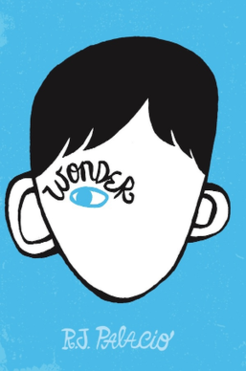
  1. Wonder by R.J. Palacio

What it’s about: 10-year-old Auggie Pullman has a facial disfigurement that makes him the target of bullying when he attends school for the first time.

Why we recommend it: “Wonder” is packaged as a children’s book but the situations presented are things that even grown-ups can relate to, such as the  anxieties that come with trying to fit in and the desire to be accepted for our differences.

Quotable quote: “We carry with us, as human beings, not just the capacity to be kind, but the very choice of kindness.”

  1. To Kill a Mockingbird by Harper Lee

What it’s about: An African-American man is wrongly accused of a crime, and his Caucasian neighbor steps up to defend him despite opposition from all fronts

Why we recommend it: The themes and lessons of this book are as important today as they were when the story was first published in 1960. We need to be reminded that despite increasing awareness and belonging to a “woke” generation, racial and class discrimination continue to affect many people around the world today.  

Quotable quote: “You never really understand a person until you consider things from his point of view.”
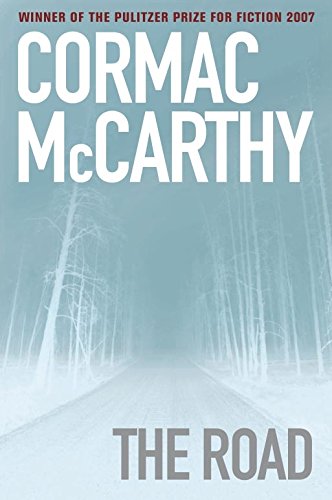
  1. The Road by Cormac McCarthy

What it’s about: A father and son travel on foot across a post-apocalyptic land and in the process encounter a variety of people — some good, many bad. 

Why we recommend it: At first glance, killing, stealing, and committing acts of unspeakable cruelty seem to be the only ways one can survive in a cruel world. But the father constantly reminds his son to “carry the fire” — to act with kindness, compassion, and decency no matter how terrible things are. 

Quotable quote: “All things of grace and beauty such that one holds them to one’s heart have a common provenance in pain. Their birth in grief and ashes.”

  1. The Kite Runner by Khaled Hosseini

What it’s about: This is the first Afghan novel written in English. The main character, Amir, seeks atonement for betraying a friend. 

Why we recommend it: Amir spends much of the novel plagued by guilt, and it is only through empathy that he finds redemption and self-forgiveness.

Quotable quote: “Not a word passes between us, not because we have nothing to say, but because we don’t have to say anything.”
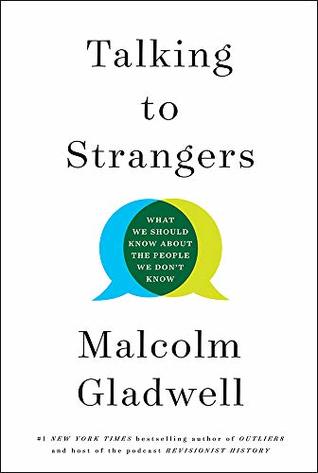
  1. Talking to Strangers: What We Should Know About The People We Don’t Know by Malcolm Gladwell

What it’s about: Studies the miscommunication, interactions, and assumptions people make when dealing with those that they don’t know. 

Why we recommend it: How many times have we avoided talking to people who think and act differently from us, resulting in conflicts or misunderstanding? By using real-life examples, Gladwell teaches us how we can bridge this divide and avoid failure of communication.
Quotable quotes: “The first set of mistakes we make with strangers…has to do with our inability to make sense of the stranger as an individual.”

Do you have your own book recommendations? Share them in the comments below!

— Written by Jaclyn Lutanco-Chua of MindNation

Categories
Get Inspired Mental Health 101 Self Help

8 Things To Do When Someone Is Mad At You

Being face to face with an angry person can be scary or frustrating, but there are ways to soothe the situation. 

Despite your best intentions, there will be times when you come across someone who is upset, frustrated, or angry with you. If you do not know how to handle this situation, you may end up feeling stressed, anxious, depressed, or angry as well. On the other hand, when you respond to anger in the right manner, you quickly restore normalcy, reduce tension and stress, and, in some cases, even make the relationship stronger. 

Below are 8 things you can do when someone is mad at you:

  1. Listen, listen, and listen. In his book “Anger: Taming A Powerful Emotion,” Dr. Gary Chapman, a well-known marriage counselor and author of the bestselling book “The Five Love Languages,” lists down three important steps for dealing with an angry person. “First, listen. Second, listen. Third, listen,” he writes. “The best thing you can do for an angry person is to listen to his story. Having heard it, ask him to repeat it. Having heard it a second time, ask additional questions to clarify the situation. Listen at least three times before you give a response.” By having the angry person retell his or her reason for being upset, you are making them realize that you are taking their concerns seriously as well as giving them ample time to calm down. 
  1. Don’t dismiss their feelings or concerns. “Seeking to put a cap on another person’s anger is perhaps the worst way to respond to an angry person,” states Dr.Chapman. “We may not like the way the angry person is speaking to us, but the fact that he is sharing his anger is positive. The anger cannot be processed positively if it is held inside. It needs to be expressed, even if it is expressed with a loud voice.”
  1. Be calm but assertive. Even if the other person is already shouting expletives or throwing things around, do not respond with a raised voice or physical violence. “When the angry person is spewing out words and you engage in argument with him, it is like throwing gasoline on the fire,” says Dr. Chapman. “An angry person can burn all night if you continue to throw gasoline. But when you listen as the anger burns, eventually the fuel of his anger will burn out.” 

So when talking to an angry person, keep your tone even but maintain assertive body language like standing straight and maintaining eye contact. Don’t slouch or cross your arms because these convey that you are bored or not open to the communication. Don’t stand too close either; leave about a 3-foot distance between you and the other person so that you do not come across as too aggressive. 

  1. Acknowledge the other person’s anger. Anger is often a response to feeling misunderstood or ignored, so even if it’s the last thing you want to do, let the person know that you get that he or she is upset. “Put yourself in her shoes and try to view the world through her eyes.,”Dr. Chapman advises. “Ask yourself, ‘Would I be angry in the same situation?’” This is called empathy. It doesn’t matter if the person was the one at fault or if the reason for the anger is irrational. Whether one’s interpretation of the situation is correct is not the issue at this point. “This is not the stage in which to argue with the person about his interpretation. What you are trying to do is to understand his anger so that you might help him process it,” Dr. Chapman advises. 
  1. Be an active listener. Show that you are engaged with the other person by making eye contact, nodding, and using phrases like “uh-huh” and “mm-hmm.” Also, avoid using the word “but” (i.e. “I understand what you are saying BUT___”) When people hear “but,” they tend to get angry again because all they hear is “You’re wrong, I’m right.” Instead, use “and” statements like “I see your point AND I think we can fix this by ___.”
  1. Accept responsibility and offer a solution.  “If you realize that the angry person’s anger is definitive; that is, you have genuinely wronged her—intentionally or unintentionally, what you did or said was unfair and hurt her deeply—then it is time for your confession and efforts to make right the wrong you have committed,” Dr. Chapman advises. “Ask for forgiveness .”
  1. Try to find common ground between you and the angry person to help redirect the hostile situation into an amicable solution. For example, you can say something like “I understand fairness is important to you. It is to me as well. May I suggest we try ___.” This helps communicate to the other party that you are working towards the same goal. 
  1. Thank the other person. If you have been able to resolve the conflict, wrap up the conversation with a word of thanks. You can tell a customer “Thank you for allowing me to make this problem right” while you can tell a loved one “Thank you for sharing your problem with me, I now know what to do and not to do next time.”

As a final word: If you constantly find yourself fighting with a significant person in your life (i.e. a spouse, parent, sibling, or child), or he/she constantly flies off the handle at the slightest provocation, you may need to seek the services of a therapist or psychologist. Not only can these professionals mediate the situation, they can also teach both of you effective problem-solving and communication skills including how to overcome  angry feelings, strategies for expressing emotions, ways to recognize negative thought patterns that cause anger, and ways to relax and handle stress. 

Anger is a universal emotion, so no matter what you do or where you are, it is important to know how to deal with angry people calmly and firmly. Be empathetic, and always remember to stay composed and rational so that you can resolve the problem as smoothly and efficiently as possible. 

— Written by Jaclyn Lutanco-Chua of MindNation

Categories
Employee Wellness Get Inspired Mental Health 101 Self Help Work in the New Normal

Shake It Off: How To Properly Let Go At The End Of The Day

One of the reasons people struggle to achieve work-life balance is because they find it difficult to disengage from their jobs at the end of the workday, such as eating dinner while sitting in front of the laptop or continuing to reply to emails or texts while having conversations with family members. And even if they don’t do physical work, they might end up spending the evening in bed thinking about all the work-related tasks they need to accomplish the next day. This can lead to what MindNation WellBeing Coach Nicole Fabian, RPm, calls “anticipatory stress” — or any stress that you experience concerning the future. All of these negatively impact one’s physical and mental well-being, as well as affect quality time with family members. “This is why it’s important to make a clean break from work at the end of the day; when you mentally unplug from work, you reduce stress and protect your mental health,” she advises. 

If you are one of those who find it difficult to take a break between your professional and personal times, below are some end-of-day routines that can help: 

Before leaving the office:

  • As much as possible, always end work at the same time. “Set an alarm if possible,” Nicole advises. “This sends a signal to your brain that work is over, and when you do it often enough, it will become a habit.” Don’t worry if it will look to others as if you can’t wait to go home; on the contrary, doing it this way will even make you a better employee. “You will actually become more productive and improve your time management skills because you know that you have to get all the important tasks done within your work time,” she assures.
  • Do one more small task. Whether it’s making a short phone call, signing a document, or responding to an email — these help end your work day on a positive note and leave you feeling pleased and gratified that you have one less thing to do the following day.
  • Make a to-do list. Write down all the tasks that you need to accomplish tomorrow, in order of importance. That way you can go to bed without worrying that you might forget to do something the next day. 
  • Straighten up your work area.  Clean out your email as well. Block off a few minutes to delete unnecessary CCs or spam invitations. Emails can stack up fast in the morning, so decluttering your inbox the night before makes sure you don’t miss out on the important ones the next day.
  • Have something to look forward to at the end of the work day. Whether it’s working out or catching up on your favorite tv show, have a relaxing activity that will keep your mind occupied. “Not only is it a form of self-care, it also ensures that your thoughts won’t be tempted to stray towards thoughts of work,” Nicole says. 

Outside of work: 

Turn off your email notifications or put work-related apps on mute. “If it’s really an emergency, your colleagues can call you,” Nicole points out. Remember that part of good mental health is establishing and communicating boundaries, so be sure to let colleagues know from the start that your time after work is your own. 

How you end your day has an effect on the level of stress and happiness that you carry home, which in turn can impact your health, relationships, and your overall level of happiness. Closing out your work day in an orderly and positive note makes a clean psychological transition into the personal side of life.  

–Written by Jaclyn Lutanco-Chua of MindNation

Categories
Featured Get Inspired

Partnership Announcement: MindNation & Workbean

Mental health awareness and support in the workplace is about to get an even bigger boost

Back in the day, job seekers would choose which companies to work for based simply on what was available or how much financial compensation could be gained.
But as the demand for more multi-hyphenated, digitally-skilled workers rose, employees who fit the bill started to become more selective in which company they would join. The workplace culture became a dominant factor in decision-making — top candidates now want to work in environments that suit their personalities and capabilities, and whose policies allow them to be creative and empowering. In the same vein, companies found out that if they placed emphasis on camaraderie, inclusivity, and nurture, they can attract great talent. 


“People are spending more time at work than they do at home,” says Kassandra Monzon, CEO of Workbean, soon to be Asia’s largest directory of company cultures. “And with the current COVID-19 pandemic amplifying whatever stresses or anxieties they may already be experiencing, employers have the responsibility to support and care for the mental well-being of their staff because they are the ones spending so much time together.”


This is why it is important for companies to have a workplace culture that is supportive of mental health. “Most mental health risks in the workplace relate to interactions between the people, the organizational environment and culture, and the availability of support for employees to carry out their day-to-day tasks,” says Kana Takahashi, CEO of MindNation. “So a way to achieve a healthy workplace is through the development of company-wide mental health programs and policies that protect the health, safety and well-being of all.

With this partnership, MindNation and Workbean hope to increase awareness about the importance of having a workplace culture that supports mental health, as well as provide a platform for job seekers looking to find a workplace that cares for their well-being. In addition, Workbean-affiliated companies that have existing mental health programs and policies in place but want to know how to more effectively implement them can reach out to MindNation for guidance. 
“When a workplace culture is inclusive and supportive, people will be more free to express their mental health concerns and seek help when needed,” says Kana. 
For more information, click on www.mindation.com and www.workbean.co

— Written by Jac of MindNation